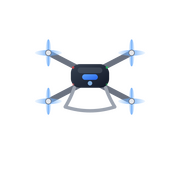





Community Verdict at a Glance: The DJI Neo marked a new era for aerial photography when it launched in September 2024, bringing pro-level features to consumers at a budget price and paving the way for beginner flyers who no longer needed to spend hundreds to capture stunning footage from above. But is it still worth buying today, in a market that keeps evolving? We dig deep so you don't have to.
What Is the DJI Neo? A Quick Overview
The DJI Neo is a compact quadcopter drone for vlogging, released by DJI in September 2024 as the lightest and most compact drone released by the company at the time, intended specifically for vloggers. At a price point that undercuts nearly every serious camera drone on the market, it has become a phenomenon among casual creators, travel enthusiasts, and first-time pilots looking for a low-stakes entry into aerial photography.
The Neo is considered the successor to the DJI Spark and a competitor to the HoverAir X1. It is capable of launching and landing from a hand and is designed to be flown without a remote using a smartphone, voice controls, and AI subject tracking, though an optional remote can be used if desired. That versatility — fly it with nothing but your palm or upgrade all the way to FPV goggles — is one of the most compelling things about this tiny machine.
DJI Neo Specs at a Glance
| Specification | Details |
|---|---|
| Weight | 135 g (4.8 oz) |
| Dimensions | 130 × 157 × 48.5 mm (folded) |
| Sensor | 1/2-inch CMOS, 12 MP |
| Max Video | 4K @ 30fps (with EIS) |
| Max Flight Time | ~18 min (official); 12–15 min real-world |
| Battery | 7.3V 1,435 mAh Li-ion |
| Transmission Range | 10 km (FCC, O4) |
| Internal Storage | 22 GB (no MicroSD slot) |
| Starting Price (USD) | $199 (drone only) |
| Obstacle Avoidance | Downward visual positioning only (original Neo) |
Per DJI's official spec page, the Neo weighs approximately 135 g, features a 1/2-inch CMOS 12 MP sensor, shoots max video at 4K (3840×2160) at 30fps with EIS, offers roughly 18 minutes of flight time, and a 10 km FCC range using O4 transmission, with downward visual positioning only and no front, side, or rear obstacle avoidance.
How the Neo Fits Into DJI's Drone Lineup
DJI's consumer drone lineup spans from the entry-level all the way to professional cinematography rigs. The Neo sits firmly at the very bottom of that ladder in terms of price and weight — but that is absolutely not an insult. At $199, the DJI Neo is the most affordable camera drone in DJI's current lineup, sitting well below the market median of $759 for comparable tracked models. It occupies a unique niche: somewhere between a flying selfie stick and a genuine beginner's creative tool. The Mini 4 Pro is the next step up, offering more sensor, more range, and more obstacle avoidance. The Avata 2 branches into the FPV realm. But for pure accessibility, nothing in the DJI catalog touches the Neo.
Who Is the DJI Neo Designed For?
With a weight of just 135 grams and a price of $199, the DJI Neo is DJI's first true entry-level model, making it easy for beginners to use and appealing to experienced creators looking for a spontaneous, always-with-you drone. The design philosophy is clear: remove as much friction as possible. No unfolding arms, no lengthy setup — just palm takeoff and go.
The Neo is ideal for solo vloggers, travel creators, and FPV rookies craving fun without fuss. If you've ever abandoned a heavier drone at home because you "didn't feel like carrying it," the Neo was essentially designed with you in mind.
DJI Neo Design and Build Quality
Size, Weight, and Portability
The DJI Neo, with its propeller protection frame that permanently surrounds the blades, is ideal for flights indoors or in confined spaces like woodland trails. Weighing just 135 g, it is particularly light and easy to transport, making it perfect for hikers or travelers looking for a discreet drone. In practical terms, the Neo fits in a coat pocket or the side pouch of a daypack. You'll stop making excuses to leave it at home.
When it comes to portability, the DJI Neo is the clear winner compared to its Mini siblings. At just 135 grams, it's a featherweight compared to the Mini 4 Pro's 249 grams. While both drones are impressively light, the Neo takes it to another level — every gram counts when you're hiking or traveling, and the Neo's ultra-light design makes a noticeable difference.
Propeller Guard Design and Durability
Both the Neo and the RC-N3 remote control feature a grey plastic exterior. The quadcopter feels light and yet sturdy due to its compact nature and enclosed body. The integrated propeller guards are not an afterthought — they are a structural part of the drone's frame, which means you cannot take them off without reducing flight performance and airflow efficiency.
Many consumer drones come with built-in or attachable propeller guards, but the beginner-friendly DJI Neo is designed in a way that propeller guards are non-negotiable. While they add a few grams of weight, they're critical for indoor flight. Even experienced pilots underestimate how easy it is to bump into a chair leg or doorway mid-turn. For a beginner, this is a genuinely reassuring feature.
Controller Options: Phone-Only vs RC-N3 vs RC 2
One of the Neo's most unique selling points is its multi-mode control system. You have three main paths to choose from:
- Phone-only / Palm control: Palm control is extremely simple to use. Even those with no experience can get started quickly. The DJI Neo can take off and land from and onto your palm and perform intelligent filming by locking onto the subject using visual algorithms, all without the need for additional accessories.
- RC-N3 Remote Controller: The DJI RC-N3 remote controller offers precise control and extended range, featuring a foldable design, integrated antennas, and a dedicated slot for your mobile device. This is the most popular choice for pilots who want real stick control without overspending.
- RC 2 / FPV Goggles: The DJI Neo is also an FPV camera drone that can be used with compatible goggles and remote control devices, providing an immersive flight experience. This turns the Neo into a capable first-person-view flier for those curious about the FPV world without committing to a full Avata 2 setup.
Community members consistently recommend getting the remote as well, noting that it gives quicker response than using just your phone. That's solid advice from real users — the RC-N3 genuinely transforms the control feel.
DJI Neo Camera Performance
Video Resolution and Frame Rates
The Neo features a 1/2-inch, 12MP sensor with a 13mm equivalent focal length and f/2.8 aperture, offering capabilities comparable to those of decent smartphones. While the Neo's video specs are more modest than other DJI drones, the footage is crisp for the money — capable of shooting 4K at 30fps and 1080p in up to 60fps, making it ideal for most social media users.
The protective casing on the DJI Neo partially encloses a gimbal that allows for a 60-degree upward tilt and a 90-degree downward tilt. This tilt range is particularly useful for dramatic overhead shots and angled selfie footage — a key consideration for vloggers and content creators who want variety in their shot composition.
4K Quality: Real-World Test Results
A lightweight, compact, and minimalist drone, the DJI Neo is a fantastic option that can shoot 4K footage at 30fps, capture detailed stills, and remain stable in challenging conditions. Easy to control with the RC-N3 controller or the DJI Fly app on a smartphone, the Neo makes drone photography more accessible thanks to its low price point.
In good lighting, footage from the Neo is genuinely impressive for the price. Colors are punchy, detail is reasonable, and the electronic image stabilization (EIS) keeps things watchable.